If you’re a lover of mithai, and are looking to turn that passion into a enterprise, Hira Sweets — an iconic brand from the past century for North Indian sweets — is a possible franchise worth looking into. In this post, I’ll go over the franchise costs and the model for franchises and the ROI you can expect to see and the eligibility requirements as well as a step-by-step explanation of the process to apply. I’ve relied on the official information whenever it’s available and the industry’s sources for real figures and examples.
Snapshot of HTML0
- estimated investment (single outlet) (single outlet): Rs20 lakh (this number is listed on the franchise’s information pages and website aggregators — see the details are below).
- Master Franchise (city): reported as being around Rs 50 lakh (non-refundable in certain disclosures).
- Royalty: 4 percent of the monthly gross revenue (reported on the franchise’s criteria pages).
- Minimum shop size: approx. 20 feet x 30 feet.
- Contact information for franchise enquiries Official Hira Sweets franchise email/phone listed on the site of the brand.
Franchise modelWhat Hira Sweets provides
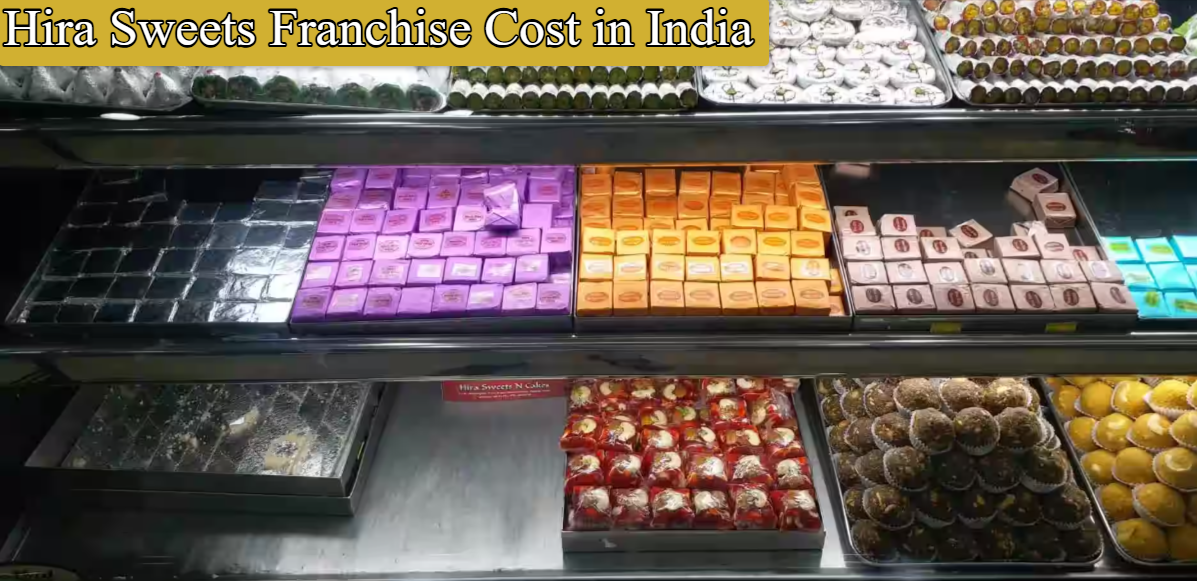
Hira Sweets operates a retail sweets and snacks model that includes walk-in stores with ready-made mithai, bakery products gift hampers, catering and catering for special occasions. They seem to offer individual outlet franchises as well as franchising rights for regions (city-level master). Single unit models are suitable for owners and investors, whereas the master franchise model targeted towards investors who wish to establish sub-franchisees in regions or cities. Official sites provide contact details and solicit franchise inquiries.
What’s the price? (breakdown and what the reported figures mean)
Different brands and sources offer a variety of breakdownsthe norm when it comes to franchising. This is a useful overview of the numbers that are available:
- Total expenditure (typical for a single store) of Rs20 lakh This headline figure is listed on Hira franchise’s website and franchise aggregater analyses. It usually includes shop fitting-out and equipment, the first inventory and signage as well as some working capital. Some aggregater pages suggest that the real franchise cost component could be less than this (for instance, Rs.3-4 lakh) and the rest being the setup cost.
- Master franchise fees (city-level) of Rs 50 lakh — listed on the franchise criteria pages typically, it is stated as non-refundable. This is a typical figure for a master-rights system in which the purchaser is granted the exclusive use of a area.
- The royalty or ongoing fee () 4 percent of the monthly gross revenue — commonly used number for single outlets within the franchise guidelines published.
- Shop size requirements Minimum size: 20-30 feet (this allows enough space to accommodate counters for displays as well as a small service area, and some back-of-house prep).
Note: Always ask the franchisor for a formal Franchise Disclosure Document (FDD) or franchise agreement draft — that document will itemize exact fees, refundable/non-refundable parts, training costs, marketing contributions, and other obligations.
Estimating ROI — realistic example
The return on investment in food retail is contingent on the location, footfall, pricing as well as operating. Utilizing reported numbers (20 percent gross margin reported as a reference in the franchise note) and the standard model of retail, we’ve got an illustration of example. Treat it as an estimation and not as a promise.
Exemplary Hypotheses (monthly):
- The monthly sales (modest high-street store) The monthly sales are Rs4,00,000.
- Gross margin (reported): 20% – Gross profit = Rs80,000
- Royalty (4 4) 4%): Rs16,000
- Cost of rent, staff utility, packaging marketing: Rs40,000 to Rs60,000 (variable by location and city)
- Net operating profit (before tax): might be near Rs4,000-Rs24,000/month on modest sales in this scenario.
If you invest the equivalent of Rs20 lakh, payback could be many years in the event that sales are substantially greater (e.g. prime mall or high-footfall markets). If you are able to secure a location that has monthly sales of between 8 and 10 lakh, your profits will increase significantly and payback is shortened. Franchise analysis by Aggregator also discusses “profit potential” but emphasize that location and management are important the most.
The bottom line is: Hira Sweets can be profitable if you choose the right place However, don’t be swayed by the that you will see a quick return — instead, run conservative projections basing your calculations on local rents and the expected footfall.
Eligibility Criteria (what is the most common criteria for a franchisor)
From the franchising requirements available online, the most common eligibility requirements for franchising include:
- Enough capital to cover an initial investment (Rs20L master, single, Rs50L as per the report).
- Minimum shop footprint (20 x 30 ft).
- A commitment to comply with guidelines for operations, brand standards, and quality control. (Standard requirements for franchising Expect training and audits.)
Steps to follow — a useful checklist
- The first step in research Read the official page for franchises as well as local aggregater reports to learn about the fees and obligations.
- Contact the franchisor Make use of the official contact number for franchise inquiries (phone or email address listed on the Hira Sweets site) to inquire about the franchise package and FDD.
- Submit your expression of interest Fill in any form, or provide a an initial business profile, a the proposed location and the proof of money.
- Review the franchise disclosure and negotiate Review fees, territories training, marketing as well as termination provisions. Think about hiring a lawyer who is experienced working in Indian franchising.
- Site approval and location fitting-out A franchisor generally approves the location and requires the fit-out to be brand-compliant.
- Training and Launch — go to training for the franchisor, employ personnel and plan the launch’s marketing.
- Continuous operations to maintain the quality, report sales when necessary, and pay any royalties.
Final tips prior to signing sign
- Visit current Hira stores to assess the quality of service, and peak sales timeframes.
- Request the performance history of similar outlets (real sales figures not inflated estimates).
- Find a franchise accountant or lawyer to go over the agreement.
- Review alternativesThere are many regional sweet chains as well as local independent models that are successful; ensure Hira’s branding and finances are in line with your needs.
 1
1